Recognizing the early clues
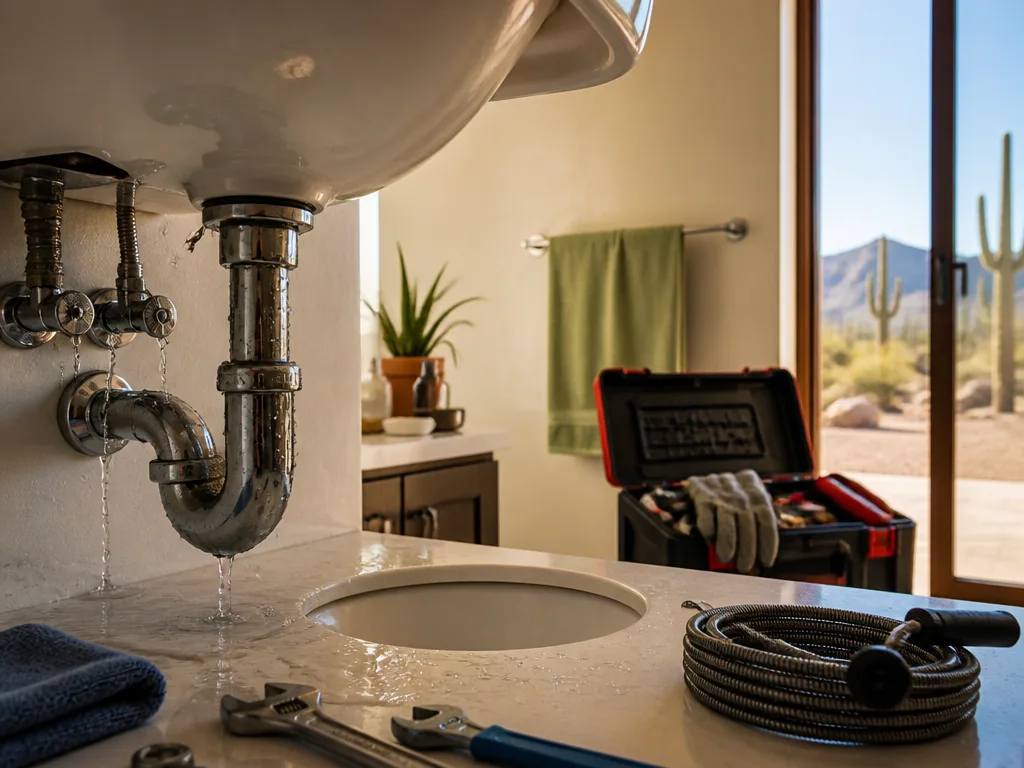
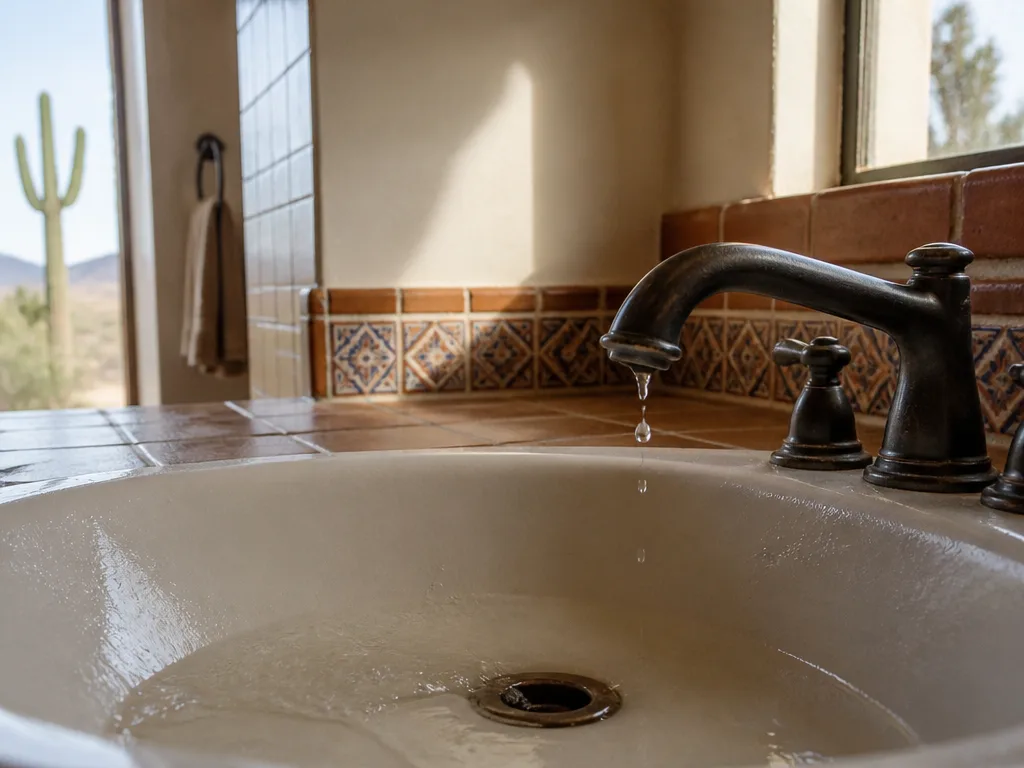
When a sink or shower takes longer to clear, that is not normal. In Arizona homes, the most common early indicators are a stubbornly slow drain, a gurgling sound after flushing, or water pooling around the drain opening. Our team has seen these symptoms lead to bigger blockages if ignored. Catching them early saves water, reduces mess, and keeps plumbing moving smoothly across the state.
Another telltale sign comes after using the disposal or draining a sink with a dishwasher nearby. If the water backs up or backs into a different fixture, that can point to a shared drain line nearing capacity. In Arizona, where hard minerals can build up, this is a reminder that drain systems have to move more water during monsoon season and summer heat.
What a slow drain means for the system
A slow drain isn't just an annoyance; it signals the path is narrowing. Over time, hair, mineral buildup, soap scum, and grease can accumulate and form a stubborn blockage. In Arizona crews handle these issues with patience and methodical steps, not quick fixes. Left unchecked, a partial clog can turn into a full stoppage that costs more to repair and disrupts daily life across any Arizona home.
Keep in mind the materials in your plumbing can influence how quickly a clog forms. Older homes with certain pipe types may see more frequent slowdowns, especially if the main line runs under yards or near tree roots. We work statewide to tailor solutions that fit your property and your budget.
How to respond today
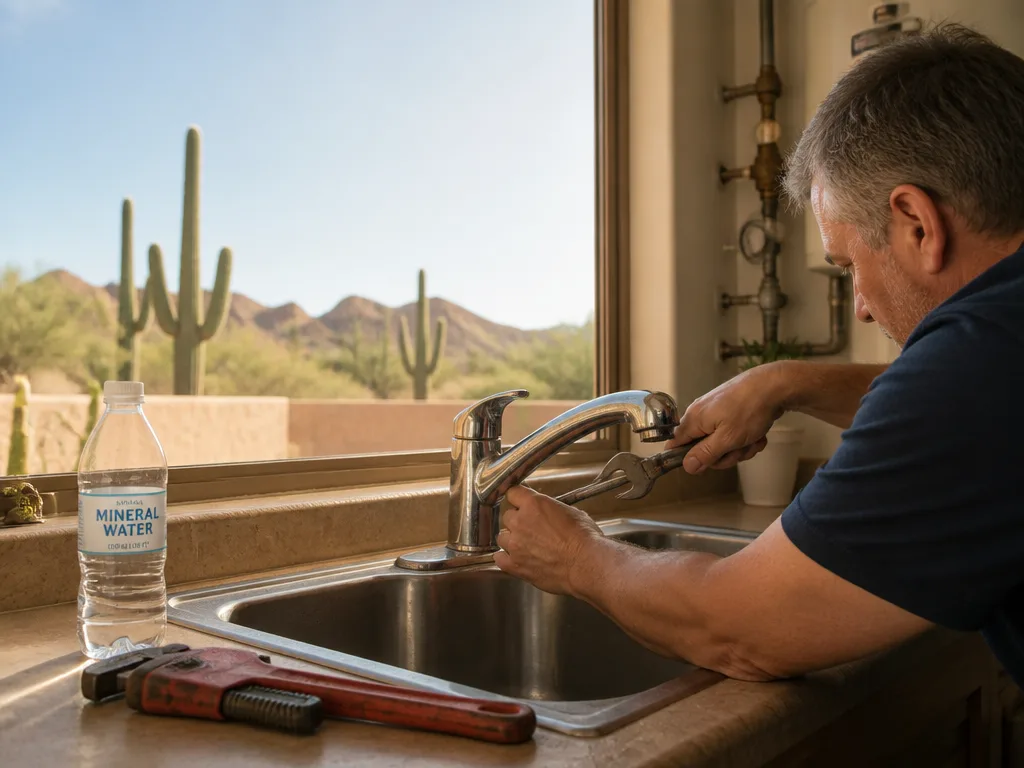
Start with a simple, proven check: run hot water for a minute, then switch to cool water while the drain is still going. If the flow remains slow, it’s time to call our team. Arizona Clogged Drain Repair offers a careful evaluation to determine whether the issue is a partial clog, venting problem, or an upcoming failure in the line. We provide a clear, options-based plan rather than guesswork.
For emergencies or persistent slow drains, our crews in every Arizona metro are ready to inspect and diagnose. A professional can remove the obstruction safely and explain how to prevent similar clogs in the future.
Practical prevention tips
- Use a drain screen to catch hair and debris in bathroom sinks and showers.
- Run hot water after every heavy use of the kitchen sink to push fats and oils through the line.
- Avoid pouring grease or coffee grounds down the drain; these stick to pipes over time.
These steps aren’t a fix-all, but they reduce the likelihood of common clogs. If a slow drain returns, call a plumber who can safely clear the line and check for root intrusion or pipe damage that might not be obvious at first glance.